10.10.10.1
The IP address 10.10.10.1 is a private gateway commonly used by LPB Piso WiFi vendo machines, custom Piso WiFi systems, and even some routers, such as Cisco and Adtran. This private IP allows users and vendors to access the system’s admin panel or user portal, where they can configure settings, insert coins, manage pause time, and control the entire network.
Because Piso WiFi has become widely popular across the Philippines, especially in communities where affordable internet is needed, 10.10.10.1 is now one of the most recognized local IP addresses. Whether you’re a user trying to pause your unused minutes or an owner managing your VendO machine, knowing how to use this gateway correctly is essential.
However, many people mistype the IP address! For example, entering 10.10 0.1, 10.10.10.I, or 10.10.10.10.1 results in errors and failed login attempts. Using the exact format 10.10.10.1 is necessary to open the dashboard successfully.
How to Log in to 10.10.10.1 (Step-by-Step Guide)
Step 1: Connect to the Piso WiFi Network or Router
Make sure your phone, laptop, or PC is connected to the Piso WiFi hotspot or directly to the router. Without a proper connection, the login page will not load.
Step 2: Open Your Web Browser
Use a modern, updated browser such as Chrome, Firefox, Edge, or Safari. Outdated browsers may cause loading issues.
Step 3: Type http://10.10.10.1 in the Browser's Address Bar
Enter the IP address carefully in the URL bar, then press Enter.
Avoid common typing mistakes like “10.10 0.1” or “10.10.10.I,” as these will not work.
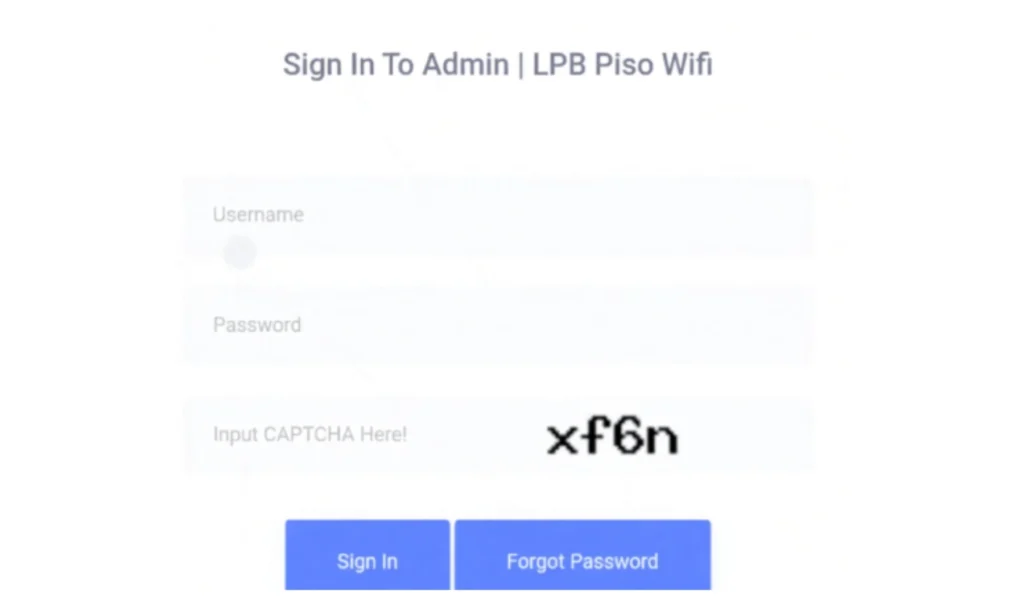
Step 4: Enter the Username & Password
You will now see the login page. Enter your admin credentials.
Standard default logins include:
- admin/admin
- admin / 1234
- cisco/cisco
- admin/password
Step 5: Access the Admin Dashboard
Once logged in, you can configure necessary settings such as:
- WiFi name (SSID)
- WiFi password
- Bandwidth limits
- Connected devices
- Pause time feature
- Security options
Router/vendo system settings
Step 6: Save Changes & Log Out
Always click Save, Apply, or Submit after making changes.
Finally, log out to prevent unauthorized access or tampering.
Manage your Wi-Fi and set access times easily through 10.0.0.1.
Relevant IP Addresses
If you are using a non-standard network, try the 1.0.0.0.1 gateway for direct access.
We document this unique gateway in our router IP address directory.
Similar to this class A address is the 10.0.0.10 IP used by enterprise routers.
Understanding Technical & Practical Background of 10.10.10.1
What a Class A Private IP Address Means
10.10.10.1 falls within the 10.0.0.0—10.255.255.255 range, which is reserved for private networks. These IPs aren’t accessible on the public internet; they’re used internally for local systems such as routers and Piso WiFi devices.
Why Piso WiFi Uses Private IPs
Private IPs give vendors complete control without exposing the system to outside attacks.
They allow:
- Local configuration
- Secure device management
- Stable operation of vending machines
- Multiple users connected to one local network
User Portal vs. Admin Portal
- User Portal — Where customers insert coins, check time, and pause/resume sessions.
- Admin Portal — Where owners manage settings, change passwords, enable pause time, view connected devices, update firmware, and monitor network activity.
Understanding the difference helps prevent confusion when accessing the correct dashboard.
Devices That Use 10.10.10.1
Several Piso WiFi vending systems and networking devices use the IP address 10.10.10.1. It serves as the default gateway for accessing both the admin dashboard and the user portal. Below are the most common devices that rely on this IP.
LPB Piso WiFi Vendo Machines
LPB Piso WiFi units are among the most popular in the Philippines. These machines use 10.10.10.1 as the main gateway to manage settings, monitor connected users, and control features such as Pause Time.
Piso WiFi OEM Units
Many generic and locally assembled Piso WiFi systems also use 10.10.10.1 as their default login IP, especially devices running modified firmware.
Adtran Routers
Some Adtran NetVanta units, such as the Adtran NetVanta 3120, also use 10.10.10.1 for admin access.
Custom Firmware Devices
Piso WiFi systems that run custom firmware or open-source router software frequently adopt 10.10.10.1 as the default IP address for local configuration.
Cisco Routers
Several Cisco models use 10.10.10.1 as the default router IP. Common models include:
- Cisco 857W
- Cisco 857
- Cisco 851W
- Cisco 851
- Cisco 827-4V
- Cisco 1801
- Cisco 1802
- Cisco 1802W
- Cisco 1803
These routers are often used in advanced or customized Piso WiFi setups.
Default Username and Password List for 10.10.10.1
To access the admin dashboard, you need the correct login credentials. Many devices come with preset usernames and passwords. Below is an updated and easy-to-understand list.
Device Type or Brand | Default Username | Default Password |
LPB Piso WiFi Vendo | admin | admin |
OEM Piso WiFi Router | admin | 1234 |
Cisco Routers | cisco | cisco |
Generic Routers | admin | password |
Custom Firmware Units | user | admin |
It is essential to change the default login details after your first login to improve security and prevent unauthorized access to the network.
How Pause Time Works and Why It Is Useful
The Pause Time feature is one of the main reasons Piso WiFi became so popular. It gives users complete control over their browsing time and helps vendors offer a more flexible, customer-friendly experience.
How Pause Time Works in Simple Terms
Pause Time lets a user pause their internet session whenever they want. When a customer taps the Pause button, the timer freezes and the remaining minutes are saved. When the user is ready to continue browsing, they tap Resume, and the timer restarts from where it left off.
Why Users Love This Feature
- They do not lose unused minutes.
- They can pause when they need to step away or switch tasks.
- It makes their paid time more efficient and practical.
- It helps stretch their budget, especially in areas where every peso counts.
Why Vendors Control the Pause Time Option
- Vendors can choose to turn Pause Time on or off based on their business preferences.
- Enabling it offers better customer satisfaction.
- Disabling it can simplify session management for the vendor owner.
- It helps maintain balanced bandwidth when too many users are connected.
When Pause Time Saves Money and Time
- When a user needs to take a break but does not want to waste paid minutes.
- When doing quick tasks like sending messages or checking emails.
- During unexpected interruptions, such as a phone call or a power issue.
- When switching between devices and wanting to return to the same session.
Using the 10.10.10.1 IP address, vendors can easily manage pause-time controls and fine-tune internet administration for a smoother user experience. For simple Tenda router troubleshooting, check our step-by-step guide.
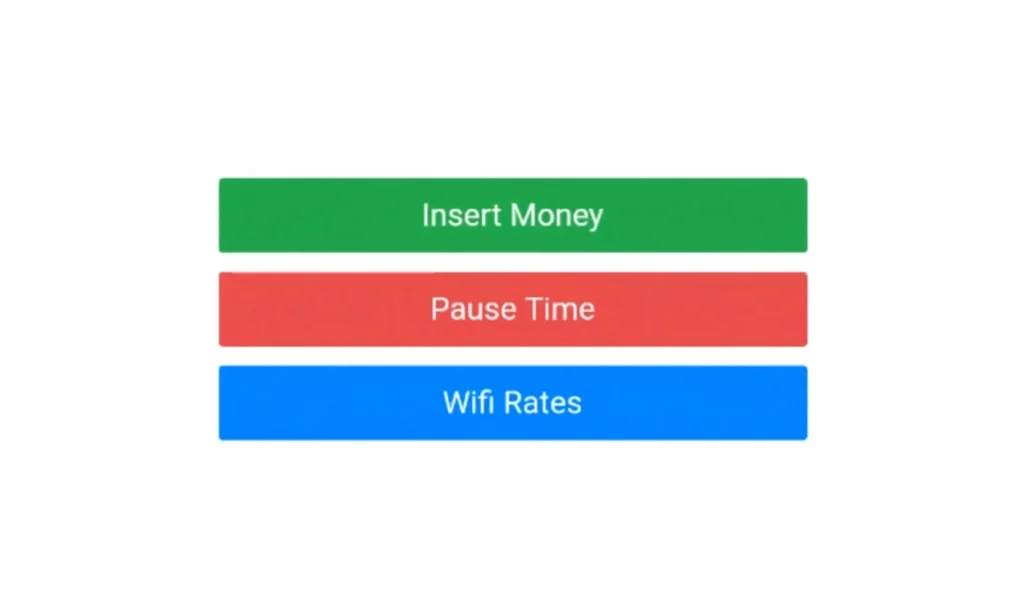
How to Insert Coins and Use Pause Time (User Portal Guide)
The 10.10.10.1 portal allows both customers and vendor owners to easily manage internet sessions. Below are the steps for each user type.
For Customers
1. Connect to the Piso WiFi Network
Turn on your device’s WiFi and connect to the Piso WiFi hotspot.
2. Insert Coins
Add the required number of coins into the Vendo machine to purchase browsing time.
3. Open 10.10.10.1 in Your Browser
Open Chrome, Firefox, or any browser and type http://10.10.10.1 to access the user page.
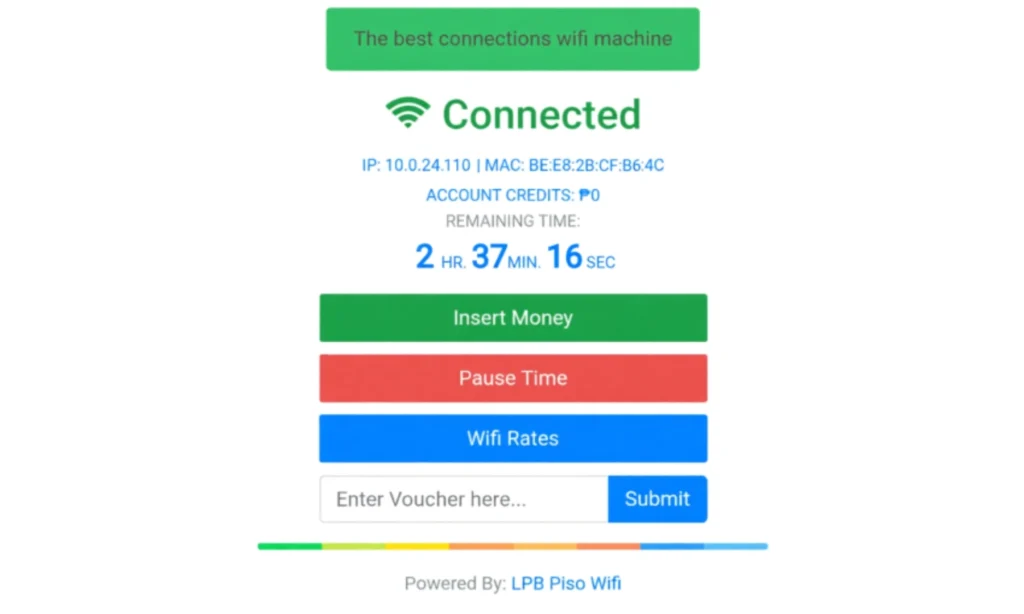
4. View Remaining Time
Your purchased time and active session details will appear automatically.
5. Pause or Resume Time
Tap the Pause button to stop the timer and save unused minutes.
Tap Resume to continue browsing.
For Vendors
1. Log In to the Admin Portal
Connect to the Piso WiFi network. Open a browser and enter 10.10.10.1, then log in using your admin username and password.
2. Open the Settings Panel
Navigate through the dashboard to find the network or advanced settings section.
3. Enable or Disable Pause Time
Look for the Pause Time option. You can turn it on to allow customers to save minutes, or turn it off if you prefer not to offer this feature.
4. Save Your Changes
Always click Save or Apply after updating any setting to ensure the changes are active.
Uses of 10.10.10.1 for Owners and Users
The IP address 10.10.10.1 gives full access to both user features and admin controls. Here are the main functions available from this portal.
Access the Admin Dashboard
Owners use the admin login to manage all system settings.
Change WiFi Name and Password
Modify the SSID and update the WiFi password to improve security and customization.
Control Speed and Connected Devices
Owners can set bandwidth limits, monitor current users, and remove devices that exceed their data limits.
Block Unwanted Users
Suspicious or unauthorized devices can be blocked directly from the admin panel.
Improve security
The portal allows enabling stronger encryption, changing admin passwords, and managing safe network settings.
Update Firmware
Firmware updates fix bugs, improve security, and add new features to the Piso WiFi system.
Backup or Restore Settings
Owners can create backups of their configuration, making it easier to restore the system after a reset.
Troubleshooting 10.10.10.1 Issues
If you cannot open 10.10.10.1 or the features are not working, the following problems are usually the cause.
1. Page Not Loading
This happens when the device is not connected to the Piso WiFi network or when the IP address is entered incorrectly. Check your connection and type the IP again.
2. Wrong Username or Password
If the login fails, try the default credentials or check the sticker on your router or vending machine. If nothing works, a factory reset may be required.
3. Slow or No Internet Connection
This can happen when too many users are connected or the signal is weak. Limiting devices or moving the vending machine to an open area can help.
4. Problems Accessing the Page on Mobile
Mobile browsers may cache content, causing loading issues. Clear the browser cache or use a different browser or device.
5. Pause Time Not Working
The feature may be turned off in the admin panel. Owners need to log in and enable it under the Advanced Settings section.
6. Firewall or Proxy Blocking Access
Security software, VPNs, or proxy settings can interfere with the login page. Temporarily turn off any such tools and try again.
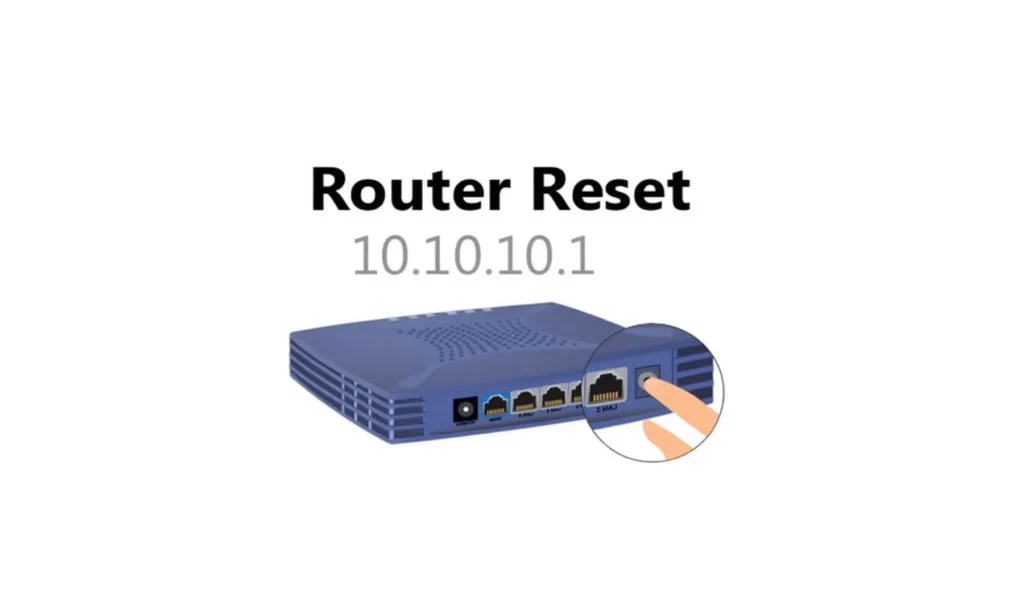
7. When to Reset the Device
A factory reset is the last option. Only use it when login details are lost, or the system becomes unresponsive. After resetting, use the default credentials to log in again.
Security Best Practices for 10.10.10.1
Keeping your Piso WiFi network secure is extremely important, especially because many users connect to it daily. Following the best security practices protects your system from unauthorized access, hacking attempts, or misuse.
Change the Default Login Details
Always replace the default admin username and password with a stronger and unique combination. This prevents unauthorized access to your admin dashboard.
Block Unknown or Suspicious Devices
Monitor the list of connected devices regularly. If you see an unknown device, block it immediately through the 10.10.10.1 admin panel to avoid bandwidth theft or possible security risks.
Use WPA2 or WPA3 Encryption
Choose WPA2 or WPA3 as your WiFi security Mode for better protection. These encryptions make it harder for outsiders to break into your network.
Update the Firmware Regularly
Firmware updates often include bug fixes, security patches, and performance improvements. Keeping your device updated ensures your Piso WiFi runs smoothly and safely.
Backup Your Router or Vendo Settings
Create a backup of your configuration after setting up your network. This allows you to quickly restore your system if you reset it or if an issue occurs.
The 10.10.10.1 Piso WiFi Pause Time App
The Piso WiFi Pause Time App makes managing sessions simpler and more convenient for both users and venue owners. It works alongside the 10.10.10.1 web portal to provide the same functions through a mobile-friendly interface.
What the App Does
It gives quick access to pause, resume, and manage internet time without opening a browser.
How It Mirrors the Browser Version
The app displays the same options you see when you visit 10.10.10.1 in a browser. This includes session time, Pause Time, user settings, and admin tools.
Features for Users
- View remaining time
- Pause or resume internet sessions.
- Check the inserted balance.
- Manage browsing sessions easily.
Features for Vendors
- Log in to the admin pane.l
- Turn Pause Time on or off
- Manage connected devices
- Adjust network settings
- Monitor user activity
Compatibility
The app is mainly available for Android devices and works with most Piso WiFi vendo machines that use 10.10.10.1 as their default IP address.
How 10.10.10.1 Works on Different Devices
The 10.10.10.1 portal works on any device with a web browser. This makes it convenient for both users and vendor owners to access the system in various ways.
Smartphones
Users can connect to the Piso WiFi network and open 10.10.10.1 in Chrome, Safari, or any mobile browser to start or pause sessions.
Tablets
Tablets offer a larger screen, making it easy for students or professionals to manage their internet sessions or for owners to configure settings.
Laptops
Laptops provide easy access to the admin panel and better visibility when adjusting configurations or checking logs.
PCs
Desktop computers can connect via a Wi-Fi adapter or an Ethernet cable, making them ideal for vendo owners who want to manage advanced settings.
WiFi Adapters and Ethernet Connections
These are used by PCs or older devices that do not have built-in WiFi. As long as the device is connected to the Piso WiFi network, the IP 10.10.10.1 will load normally.
Security Logs and Firewall Alerts Related to 10.10.10.1
Some users may notice repeated logs or firewall alerts showing attempts to reach 10.10.10.1. This can happen for different reasons.
Why Devices Constantly Ping 10.10.10.1
Connected devices often ping the gateway to check connectivity or refresh their session. This is a regular part of how networks operate.
When This Is Normal
- When a user is actively connected to the Piso WiFi network
- When a device is renewing IP information
- When the vending machine is processing user sessions
When It May Indicate Misconfiguration
- If the pings happen even when no device is connected
- If logs appear unusually frequent
- If the router is assigned a wrong gateway IP
This may require checking DHCP settings or resetting the network configuration.
When It May Be Suspicious
- Continuous unauthorized attempts from unknown IP addresses
- Failed login attempts in quick intervals
- High traffic to 10.10.10.1 from a single device
In such cases, blocking the device or updating passwords is recommended.
Common Mistyped IP Errors
Many users type the wrong IP address when trying to open the Piso WiFi portal. Below is a simple table showing the most common mistakes and the correct version.
Wrong IP | Reason | Correct |
10.10 0.1 | Missing dot | 10.10.10.1 |
10.10.10.I | Letter I instead of 1 | 10.10.10.1 |
10.10.10.10.1 | Extra digits | 10.10.10.1 |
10.10.101 | Missing dot | 10.10.10.1 |
Frequently Asked Questions
What is 10.10.10.1?
10.10.10.1 is a private IP address used to access the admin panel and user portal of Piso WiFi machines and some routers. It lets you manage settings, insert coins, pause time, and control connected devices.
How do I log in?
Connect to the Piso WiFi network, open a browser, type http://10.10.10.1 in the address bar, and enter the correct username and password.
Why is the page not loading?
This usually happens if you typed the IP wrong, if your device is not connected to the Piso WiFi network, or if the signal is weak. Reconnect and try again.
Is 10.10.10.1 safe?
Yes. It is a private IP used only inside your local network. It becomes unsafe only if you leave the default password unchanged.
What is 10.10 0.1?
It is a standard typing error. The correct IP address is 10.10.10.1. Missing dots or adding spaces will not work.
How do I reset the router or Piso WiFi machine?
Find the reset button on the device and hold it for about 10 to 15 seconds. This restores factory settings and resets the admin username and password.
Can I use 10.10.10.1 on my phone?
Yes. You can use it on any device with a browser, including phones, tablets, laptops, and PCs.